Why cat body language matters
Most people notice meows first, but cats actually communicate with their whole body. They speak with tail height, ear angle, whisker position, blink speed, posture, and movement through space. A puffed tail does not mean the same thing when paired with playful sideways hops as it does with a rigid back and flattened ears.
The signals that matter most
Tail position
A high tail often means confidence or friendliness. A low tucked tail usually points to fear or discomfort. Fast flicking can mean irritation or rising arousal.
Ears and eyes
Forward ears usually suggest interest. Sideways or flattened ears may point to overwhelm, fear, or overstimulation. Slow blinks are often part of a calm social exchange.
Posture and distance
A relaxed body with loose paws and comfortable stretching often means safety. Crouching, backing away, freezing, or constant scanning can be signs of tension.
You understand a cat faster when you read clusters of signals instead of one detail in isolation.
How context changes body language
The same tail movement can mean different things during play, feeding, grooming, or conflict. Always read movement together with location, routine, and recent events in the room.
How to use body language in daily life
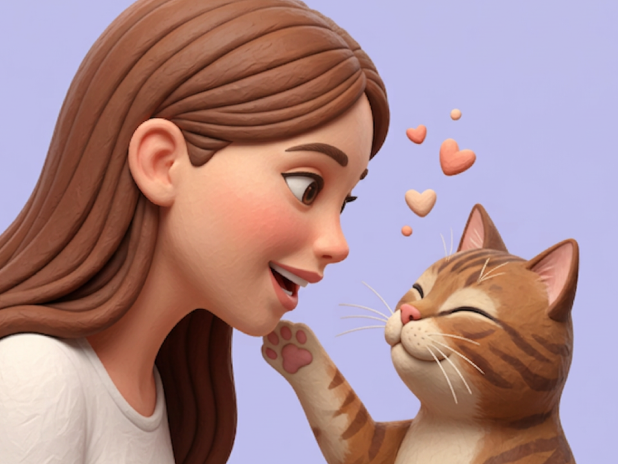
Pause before petting, picking up, or inviting play. Look for soft eyes, relaxed whiskers, and a body that moves toward you instead of away. If your cat leans out, stiffens, or flicks their tail harder, give them space.