If your cat keeps making noise, they are usually asking for something, reacting to a change, or trying to tell you that something feels off. A meow can be perfectly normal — but a sudden shift in timing, tone, or intensity is worth paying attention to. In this guide, we will break down the common reasons behind this behavior, why it often happens at night, when it may require a veterinarian, and how to respond in a way that actually helps.
Is It Normal for Cats to Meow?

If your kitten is meowing, the first thing to know is this: a meow is not automatically a problem. It is one of the normal ways a feline can communicate, just like a purr, a trill, a hiss, or a tail flick.
And yes, some pets are simply more talkative than others. One may make a single sound at breakfast and disappear like a tiny roommate with excellent boundaries. Another may narrate the entire morning, from the food bowl to the bathroom door.
Breed matters, too. Siamese, Oriental-type breeds, and some other naturally social lines are famous for having opinions — loud ones. A Siamese cat meow can sound less like a polite request and more like a dramatic household announcement.
If your cat meows a lot but has always been this way, eats normally, uses the litter box, sleeps well, and acts like themselves, it may just be their personality.
The key is change. A sudden increase in vocalization matters more than the number of sounds alone. If a usually quiet cat is meowing loudly, pacing, hiding, eating less, drinking more, or acting restless, do not brush it off as “just being needy.” A new pattern of vocalizing can be her way of saying, “Something’s wrong.” That does not mean panic. It means pay attention.
Common Reasons Your Cat Keeps Meowing
Your Cat Is Hungry or Thirsty
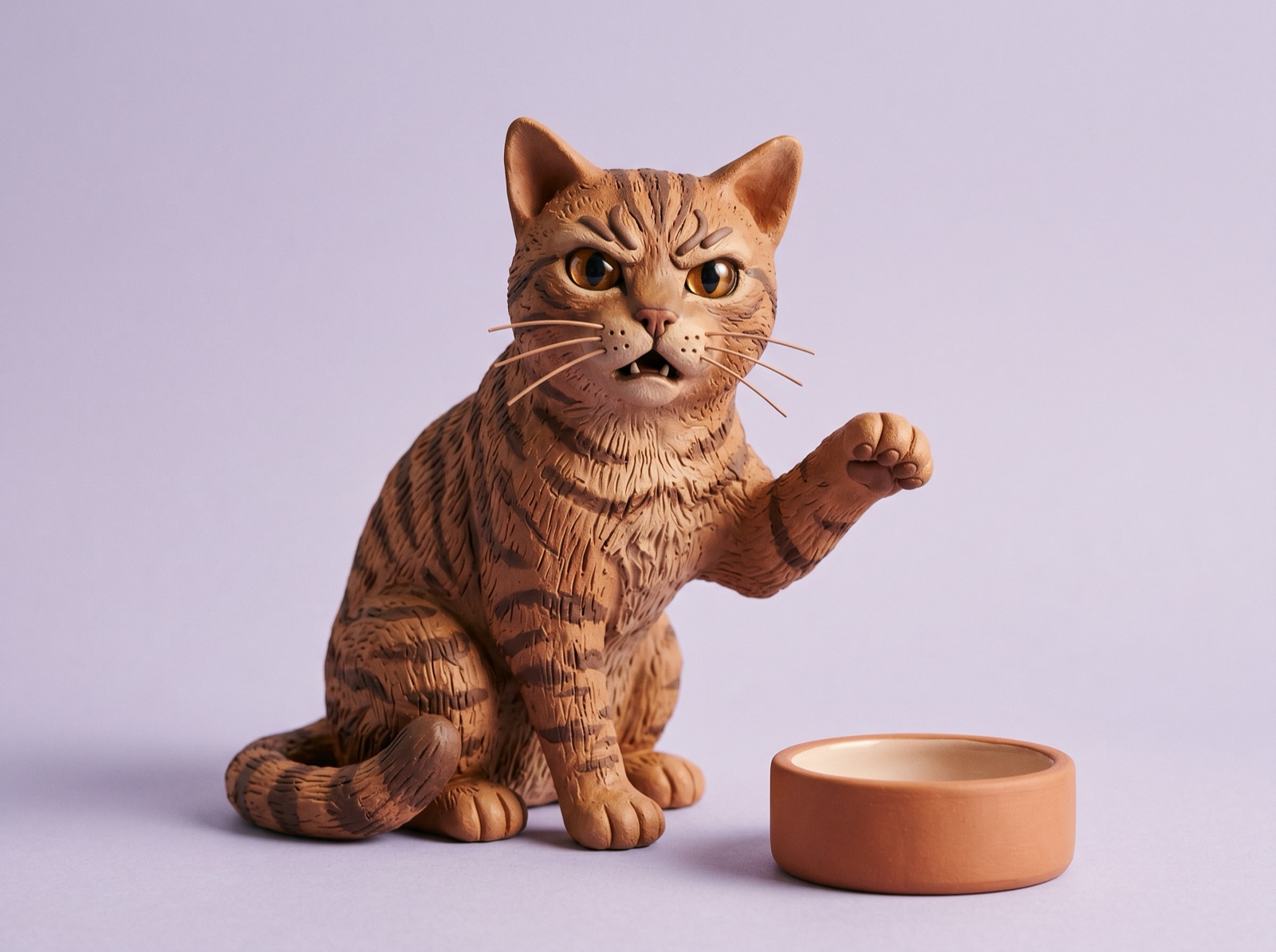
If she’s meowing near the food bowl, the message is probably not mysterious.
- A cat may meow for food before breakfast, after breakfast, and sometimes while looking directly at a bowl that still contains food. This does not always mean hunger. It may mean, “I prefer the center refilled, thank you.”
- If you recently changed the diet, reduced portions, or moved feeding times, increased meowing can happen. Your cat has a routine in their head, and when that routine changes, they may protest like a tiny union representative.
But do check the basics first. Is the water fresh? Is the bowl clean? Is the automatic feeder jammed? Is the litter box blocked by a closed door? A meow often points to something practical.
And here is the delicate part: if every vocal request gets exactly what your pet wants, the behavior can become stronger. Not because they are “manipulative” in a human sense, but because learning works. They try something. It works. They repeat it.
Your Cat Wants Attention or Interaction
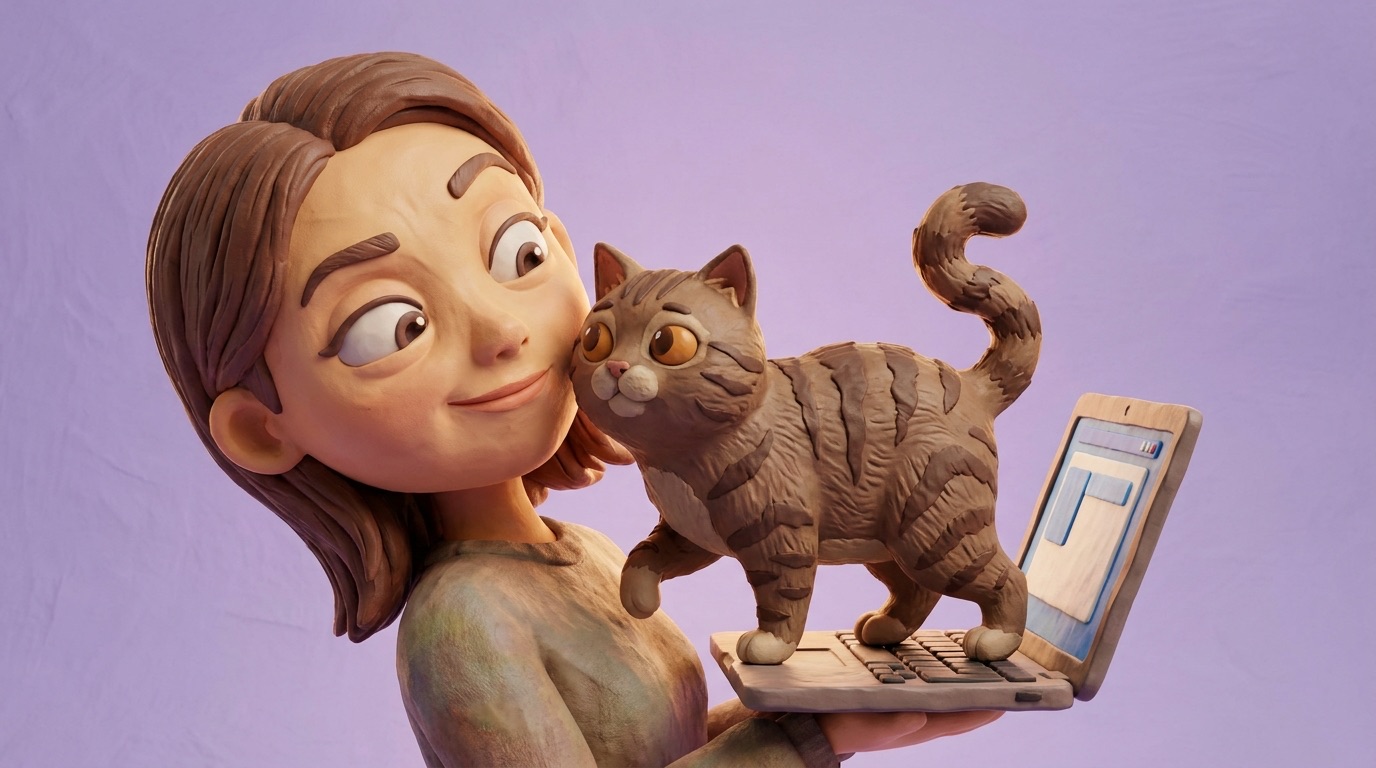
If your pet is meowing while staring at you, following you, or walking across your keyboard with the confidence of a senior manager, they may simply want interaction.
They may look independent, but many cats are deeply social with their chosen people. An adult cat may meow to get your attention, ask for a cuddle, request a game, or announce that your phone has received enough affection for one evening.
This is especially common when they have learned that making sounds brings eye contact, talking, touching, feeding, or movement. Even saying “No, stop” can feel like attention. To a lonely companion, that may be better than silence.
Your Cat Is Bored

When your indoor pet vocalizes at walls, doors, windows, or your ankles, boredom may be part of the story. Think of them as a hunter in a soft blanket body. The instincts are still there. In the wild, a feline spends time watching, stalking, chasing, catching, eating, grooming, and resting. In a quiet apartment, all of that can shrink into “bowl, sofa, window, nap.” For some pets, that is not enough.
Under-stimulation can cause cats to vocalize more, especially in the evening when their energy rises. They are not trying to ruin your peace. They are trying to find something to do.
- Use short hunting-style play sessions: wand toy, chase, catch, tiny pause, repeat, then food. This sequence feels natural to a cat because it imitates the hunting cycle — chase, catch, eat, groom, sleep.
- Puzzle feeders can also help. Instead of placing dinner in a bowl like room service, let her work for part of the meal.
- Rotate toys every few days so “old” toys feel new again.
Your Cat Is Stressed, Anxious, or Confused
If your cat’s meowing gets worse after a move, renovation, new baby, new pet, visitor, schedule change, or conflict with another cat, stress should be high on your list. Routine feels safe, so sudden changes can make her feel unsettled.
Under stress, she may vocalize, hide, cling to you, over-groom, stop playing, spray, avoid the litter box, or become unusually restless. Some pets go quiet when they feel anxious. Others meow loudly, almost as if they are filing an urgent report.
Confusion is another piece, especially in older cats. Age-related cognitive dysfunction can make a familiar home feel unfamiliar, like waking up in a room where the furniture has moved but nobody told you.
- If she is anxious after a move or new pet, create a quiet “safe room” for a few days with food, water, a litter box, bedding, and a hiding place. Let her come out on her own schedule.
- Keep a simple meowing diary for one week: time, place, what happened before the meow, what the cat did after, and how you responded. Patterns usually appear quickly.
- In a multi-pet home, use the “one per pet, plus one extra” rule for litter boxes, food stations, water bowls, and resting spots.
Your Cat May Be in Pain or Sick
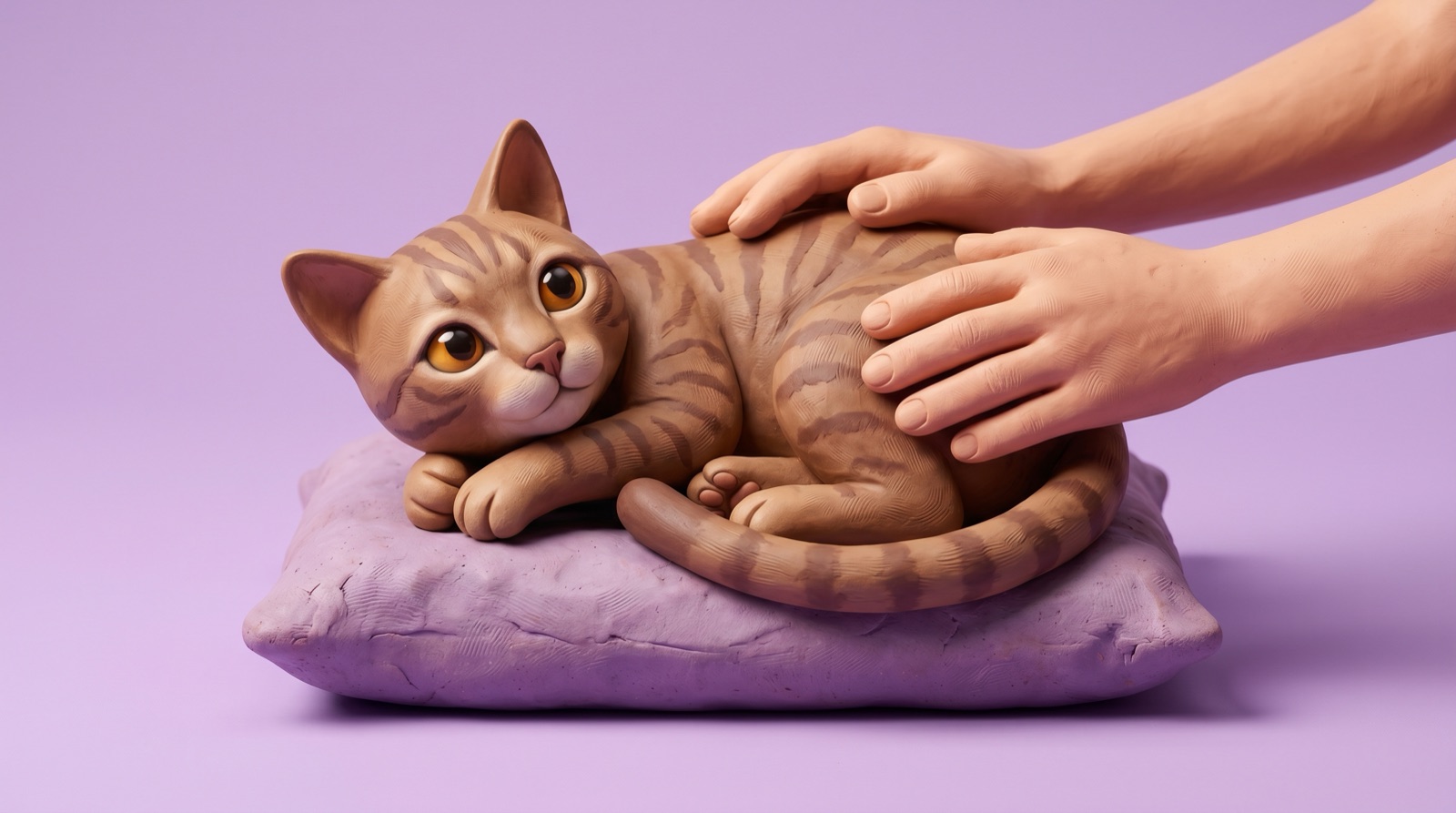
If your cat suddenly starts meowing a lot, do not treat it as “bad behavior” too quickly. These animals are masters at hiding pain, so a change in vocalization may be one of the first clues that something is wrong. When she is in pain, she may meow loudly while jumping, using the litter box, being picked up, eating, or moving from one room to another.
They may also hide more, sleep in unusual places, avoid stairs, stop grooming, or become grumpy when touched. Think of pain like background noise in the body. Your cat may not understand where it is coming from, but they feel uncomfortable — and the meow becomes a complaint, a request for help, or a way to cope.
Medical Conditions to Watch For
-
Dental disease: If your cat meows near the food bowl but then walks away, drops food, chews on one side, drools, or has bad breath, the problem may be in the mouth rather than in the appetite.
-
Arthritis: Especially in older pets. With sore joints, she may meow because the sofa is suddenly harder to reach, the litter box sides feel too high, or the favorite windowsill now seems like a mountain.
-
Hyperthyroidism: Like the body’s engine running too fast. Affected pets may seem hungry all the time, lose weight, drink more, become restless, and vocalize especially at night.
-
Urinary blockage: If your cat is meowing in the litter box, straining, going in and out repeatedly, licking the genital area, or producing little or no urine, treat it as urgent. This is especially important in males.
-
Kidney disease: She may drink more, urinate more, lose weight, feel nauseous, avoid food, or become more clingy and vocal.
-
Hearing or vision loss: In older cats, these changes can lead to more vocalization because the world feels less predictable.
Seek emergency veterinary care if your cat cannot urinate, cries in the litter box, collapses, has trouble breathing, seems extremely weak, or shows sudden severe pain. Do not wait to “see if it passes.”
The safest rule is simple: if the meowing is new, stronger, more painful-sounding, or paired with changes in eating, drinking, weight, litter box habits, movement, sleep, or mood, book a veterinarian visit. First rule out health issues. Then work on behavior.
Why Does My Cat Meow at Night?
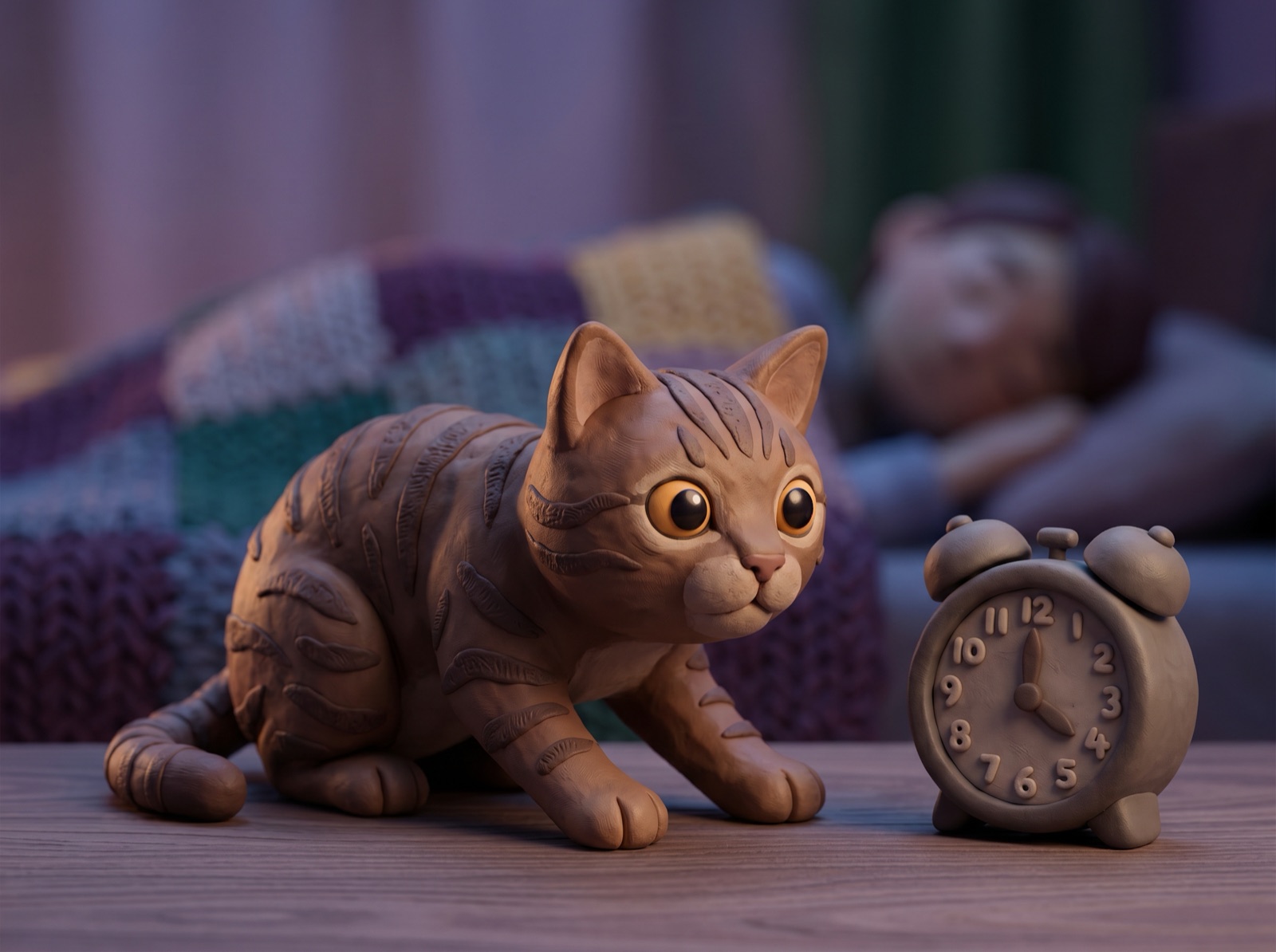
Nighttime cat meowing is one of the most common complaints from owners because it hits at the worst possible time: when the whole house is finally quiet. But your pet is not plotting against your sleep. Cats are crepuscular animals, which means they are naturally more active at dawn and dusk. Think of it as having a small roommate whose internal clock says, “Excellent, it is 4:47 a.m. Time to begin operations.”
| Cause | What to do |
|---|---|
| Your cat wakes you for food. When you get up and feed them after a loud meow, you may accidentally teach a very simple lesson: “Being loud makes breakfast happen.” | Try moving the last meal later, using a timed feeder for early morning, or offering a small puzzle feeder before bed. |
| Boredom after a quiet day. She may have spent most of the day sleeping, only to wake up ready for action when the house gets quiet. | A good evening routine: ten to fifteen minutes of hunting-style play, then food, then calm. To the feline brain, this says, “The hunt is over. Now we rest.” |
| Reacting to animals outside, wildlife, street sounds, or movement you barely notice. To them, it may be breaking news from the border of the kingdom. | Close blinds, block access to the most exciting window, use white noise, or move a cat tree away from a view that causes repeated calling. |
Older animals deserve extra attention when night meowing begins or increases. Hearing or vision loss can make the dark feel confusing. Cognitive dysfunction can make a familiar home feel strange at night, so the cat may wander and call as if asking, “Where is everyone?”
How to Stop Excessive Meowing: A Step-by-Step Guide

Cats are not trying to ruin your day on purpose. They are trying to solve a problem with the tool they have: their voice. The best way to reduce excessive meowing is to work like a calm detective: check health first, find the pattern, meet the real need, and stop rewarding the noise by accident. Simple. Not always easy.
-
Rule out health issues first. If the meowing is new, suddenly louder, more frequent, or painful-sounding, book a veterinarian visit before treating it as a training issue.
-
Keep a one-week diary. Note the time, place, sound, what happened right before the meow, what your cat did after, and how you responded. Patterns usually appear faster than expected. This diary is useful for you and for your veterinarian.
-
Check the basic needs. Fresh water, food schedule, litter box access, clean litter, comfortable temperature, safe resting spots, and whether the cat is trapped away from you or from a resource.
-
Stop rewarding the loudest meow. If your cat has learned that a loud meow makes food appear, doors open, or people jump up, the behavior has been reinforced. Wait for a small quiet pause — even two seconds — then give the food, open the door, or offer attention. You are not refusing the request. You are changing the way the request is made.
-
Build predictable routines. Feed at consistent times, schedule playtime before meals, clean the litter box predictably, and create a calm bedtime rhythm. For early-morning meowing, consider a timed feeder.
-
Add daily enrichment. Offer short hunting-style play sessions once or twice a day: chase, catch, pause, repeat, then food. Add puzzle feeders, window perches, scratching posts, climbing shelves, and toy rotation. If the vocalization gets worse in the evening, move the most active play session closer to bedtime.
-
Reduce stress triggers. Cats love predictability, and sudden change can make them feel as if the rules of the house disappeared overnight. Make the environment calmer before you correct the behavior.
-
Be consistent, and stay compassionate. If you respond to excessive meowing sometimes and ignore it other times, your cat may try harder — the slot-machine effect. Choose a plan the whole household can follow. Be patient. If your cat has practiced meowing for months, the behavior will not disappear in one night. Progress may look like shorter episodes, softer meows, longer quiet pauses, or fewer wake-ups. Count those wins.
What Not to Do When Your Cat Won’t Stop Meowing
-
Do not punish her for making noise. Punishment rarely reduces vocalization and often increases stress, which can make the behavior worse.
-
Do not ignore red flags. New, loud, or painful-sounding meowing may signal a health issue that needs a veterinarian’s attention.
-
Do not reward the loudest meow. Getting up, opening a door, or feeding right after the most intense calling teaches your cat that escalation works.
-
Do not lock the cat away as a quick fix. Isolation removes the problem temporarily but does nothing to address the underlying need.