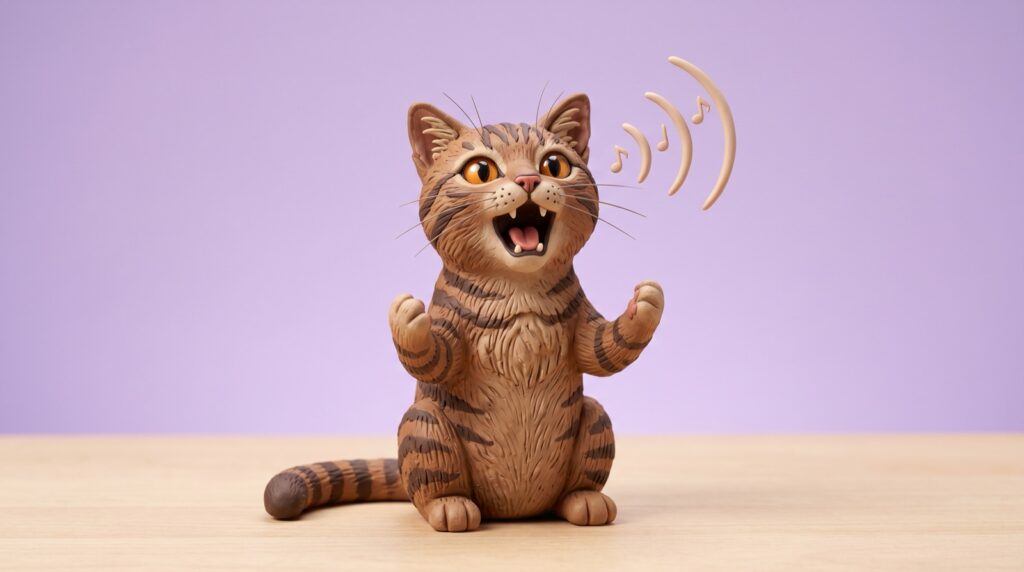
Can cat sounds really be translated?
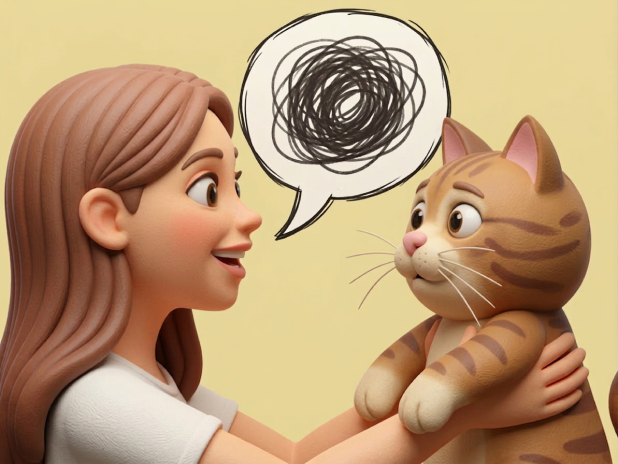
Not in the same way human language can. Cats do not use words with fixed grammar, but they do use recurring sound patterns connected to emotional states, needs, and social behavior. Translation is useful when it means understanding likely intent, not inventing exact sentences.
The most useful cat sound translation is probabilistic, not literal.
What common cat sounds often mean
Meows
Meows are often directed at people and can mean greeting, attention, hunger, or protest depending on timing and repetition.
Purrs
Purring often points to comfort, but in some cases it can also appear during stress or self-soothing.
Chirps and trills
These lighter sounds often happen during excitement, bird-watching, or when a cat wants to guide you toward something.
Yowls
Longer, louder vocalizations can signal frustration, stress, mating behavior, or age-related confusion in some cats.
Why context matters more than sound alone
The same sound can mean different things in different rooms, routines, and emotional states. Pair audio with body language and what happened right before the vocalization.
Final thoughts
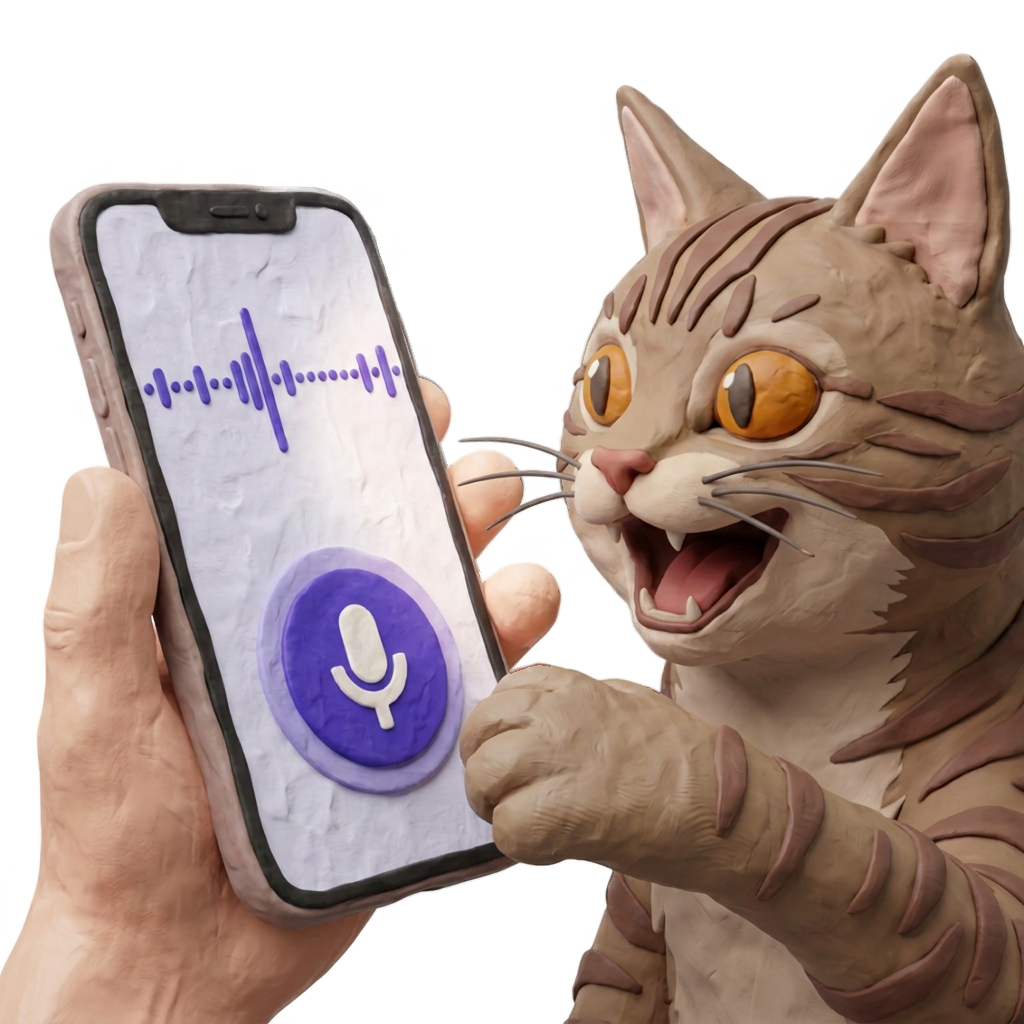
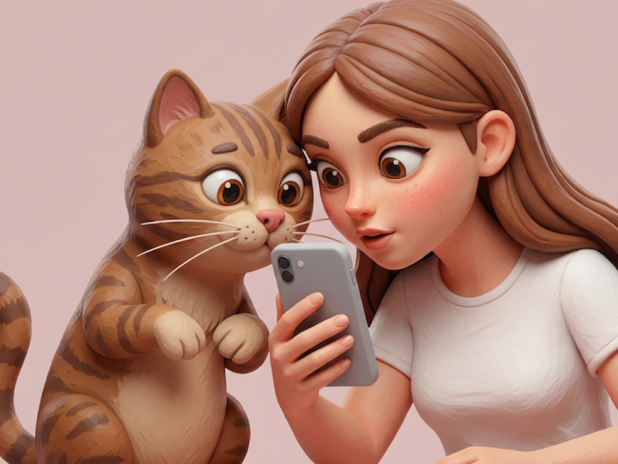
A cat translator app can be fun and surprisingly useful when it helps you notice patterns. The goal is not perfect literal translation. The goal is better understanding.