What talking to your cat really means
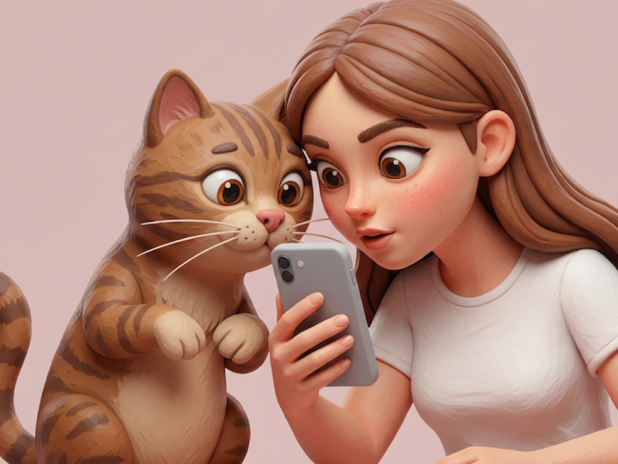
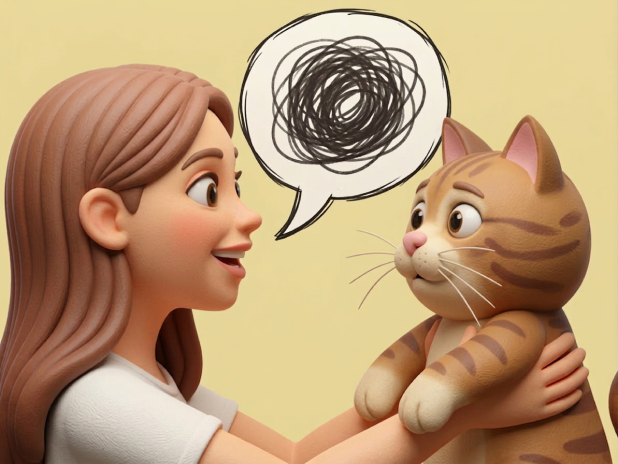
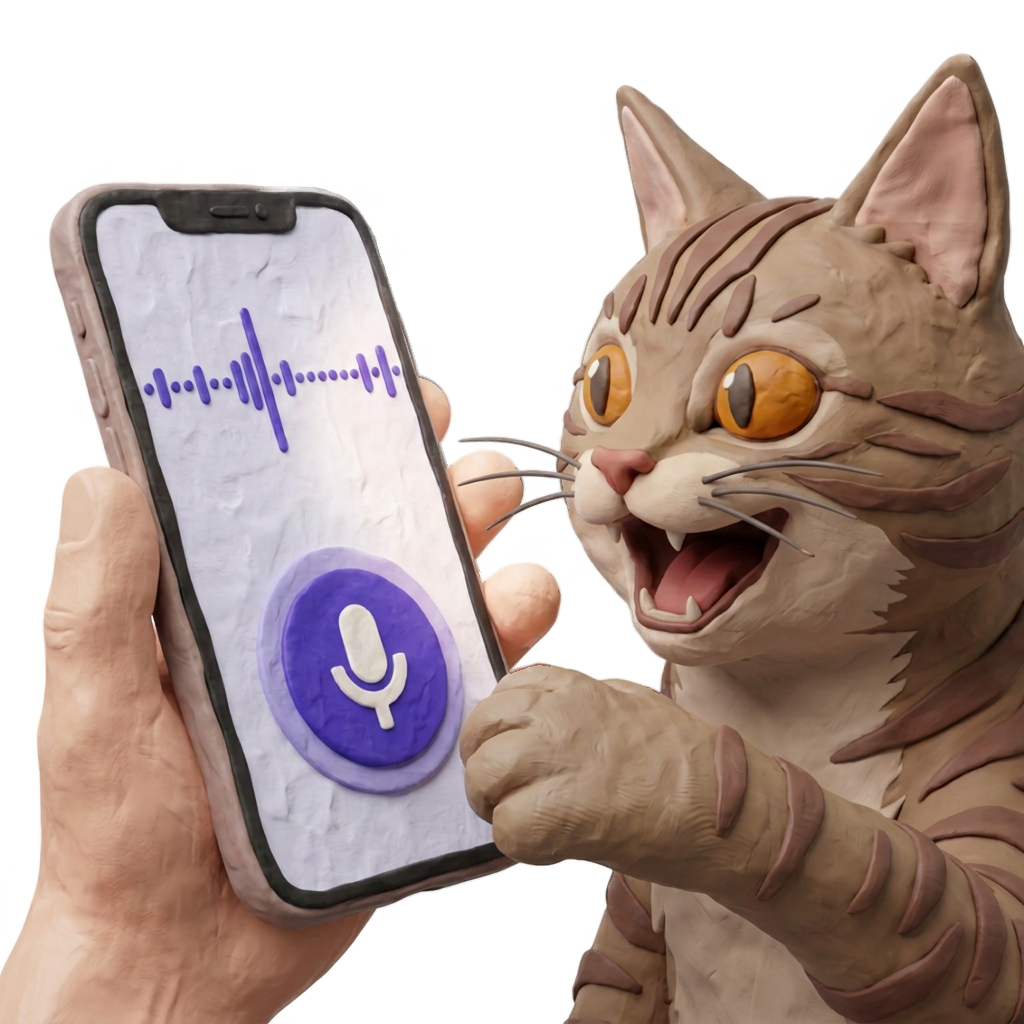
Cats do not process speech like humans, but they do learn patterns in voice, rhythm, body movement, and routine. When people search how to talk to your cat, they are usually really asking how to create communication that feels safe, predictable, and useful to the animal.
Your cat understands consistency faster than they understand novelty.
The building blocks of better cat communication
Tone matters
A soft, steady tone is usually easier for cats to associate with safety and attention than loud or highly variable speech.
Timing matters
If you say the same short cue before meals, play, brushing, or opening a door, your cat may start to connect the sound with the event.
Body language matters too
Voice works best when the rest of your behavior matches. Sudden reaching, crowding, or leaning over the cat can cancel out calm words.
Daily routines that build trust
Use repeatable cues around positive experiences, keep your responses stable, and notice what tone your cat relaxes into. Short predictable interactions beat long chaotic ones.
Final thoughts
You do not need to imitate perfect cat sounds to communicate better. You need consistency, emotional clarity, and attention to how your cat responds over time.